
TALLAHASSEE, Fla. — Fifty-four Florida condominium and cooperative buildings were classified as unsafe or uninhabitable during milestone inspections conducted in 2024 and 2025, according to a new state report that also uncovered significant gaps in how local governments report building-safety information.
The July report from the Office of Program Policy Analysis and Government Accountability identified 30 buildings in 2024 and another 24 in 2025 across eight Florida counties.
Only five of the 54 buildings were confirmed to have been vacated following the inspections. However, the report does not establish that the remaining 49 were all occupied because state analysts could not confirm the evacuation status of several buildings, including 19 reported by the city of Aventura.
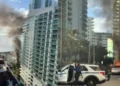
The findings provide Florida’s first broad statewide look at milestone inspections required under building-safety reforms enacted following the 2021 collapse of Champlain Towers South in Surfside, which killed 98 people.
A recent federal investigation into the Surfside collapse concluded that structural failures began weeks before the building fell and that it had been vulnerable because of design, construction and maintenance deficiencies.
Eight Counties Reported Affected Buildings
The 30 buildings identified during 2024 inspections were located in six counties:
- Osceola County: 10
- Pinellas County: 8
- Bay County: 4
- Brevard County: 4
- St. Lucie County: 3
- Monroe County: 1
Five were reported as vacated: three in St. Lucie County, one in Pinellas County and one in Monroe County.
The 24 buildings identified in 2025 included 23 in Miami-Dade County and one in Orange County. Aventura accounted for 19 of the Miami-Dade buildings, according to OPPAGA.
Officials responding for five of the 2025 buildings said none had been vacated. Aventura, however, did not respond to OPPAGA’s request for information about whether its 19 buildings had been cleared.
Florida Lacks a Uniform Definition
The report found that local officials did not use a single statewide standard when classifying buildings as unsafe or uninhabitable.
Although the Florida Building Code defines an unsafe condition, neither the state’s milestone-inspection law nor the code defines “uninhabitable” for purposes of the inspection program.
Local officials told OPPAGA they relied on different sources, including the Florida Building Code, municipal ordinances and determinations made by the engineers conducting the inspections.
Conditions reported in the affected buildings also varied. OPPAGA cited examples involving corroded structural elements in Pinellas County, water intrusion in Orange County and sealant failure along a walkway in Osceola County.
That variation means an unsafe or uninhabitable classification does not necessarily describe the same condition in every jurisdiction.
Thousands of Inspections and Costly Repairs
Building officials reported completing 8,736 phase-one inspections and 1,575 more detailed phase-two inspections during 2024 and 2025.
A phase-one inspection involves a visual examination of a building’s major structural components by a licensed architect or engineer. A phase-two inspection is required when potential substantial structural deterioration is identified and may include destructive or nondestructive testing.
Local governments also reported 903 permit applications for repairs identified through phase-two inspections. Estimated project values ranged from less than $1,000 to $30 million, with concrete, electrical and structural work among the most commonly reported repairs.
The average reported permit value increased from approximately $337,000 in 2024 to $496,000 in 2025.
Officials granted 1,587 inspection-deadline extensions, 94% of which involved buildings in coastal counties or municipalities. Local governments cited difficulty locating qualified engineers and delays caused by engineers’ workloads.
Statewide Count Remains Incomplete
OPPAGA warned that its figures do not represent a complete statewide accounting.
The Department of Business and Professional Regulation received 2024 information from only 277 of Florida’s 389 identified local enforcement jurisdictions, a response rate of 71%. The response rate fell to 64% for 2025, with 250 jurisdictions reporting.
The missing information included municipalities in some of Florida’s largest condominium markets. For 2025, seven of 31 municipal building officials in Broward County, seven of 34 in Miami-Dade County and 17 of 39 in Palm Beach County did not report.
OPPAGA also found inconsistent data submissions, incorrectly identified jurisdictions and reports submitted by administrators who were not employed as local building officials.
The agency recommended that DBPR provide local governments with additional instructions and training for submitting future milestone-inspection data.
Under Florida law, residential condominium and cooperative buildings that are at least three stories tall generally must receive a milestone inspection when they reach 30 years of age and every 10 years afterward. Local governments may require inspections beginning at 25 years when conditions such as proximity to salt water warrant earlier examination.
Associations must provide owners with a summary of an inspection report within 45 days. Repairs addressing substantial structural deterioration generally must begin within 365 days after local officials receive a phase-two report.
The findings leave Florida with a troubling preliminary picture of building conditions—and continuing uncertainty about how many aging condominium buildings still have not been fully inspected or reported.
Get The Florida Pundit Newsletter
Breaking Florida politics, investigations, elections, and government news delivered directly to your inbox.
Related Coverage
- Federal Investigators: Surfside Condo Collapse Began Weeks Before Building Fell
- DOME: Surfside Findings Renew Condo Safety Debate
- DOME Weekend: The Week in Florida Politics
The post Florida Condo Safety Report Flags 54 Buildings as Unsafe or Uninhabitable appeared first on The Florida Pundit.